
A well-maintained home should provide comfort, safety, and energy efficiency for the whole family. Over time, certain improvements can make a property more secure, reduce energy costs, and improve daily living. From upgrading doors and windows to installing smart technology and improving insulation, homeowners have many ways to make their spaces more functional. Choosing the right upgrades can also help protect the property and increase its long-term value.
Fire Doors: Enhance Home Safety and Protection
Fire safety is an important part of maintaining a secure home. When homeowners install fire doors, they add a protective barrier that can help slow the spread of fire and smoke between different areas. These doors are designed to withstand fire for a specified period when properly installed and maintained. They are especially useful in areas such as garages, utility rooms, and stairways, depending on local building requirements. Keeping fire doors in good condition and ensuring they close properly can improve household safety and provide valuable time for people to leave the building during an emergency.
Vinyl Windows: Improve Insulation and Energy Efficiency
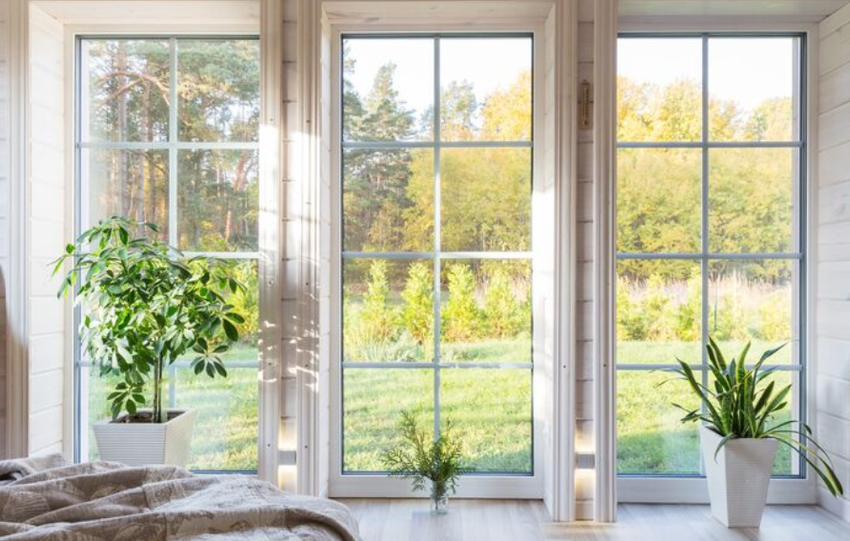
Windows play a major role in maintaining indoor temperatures and reducing energy use. Choosing vinyl windows can help homeowners improve insulation because these windows are designed to reduce heat transfer when properly specified and installed. They are also resistant to moisture and generally require less maintenance than many traditional window materials. Modern, energy-efficient windows can help keep rooms comfortable throughout the year while reducing the need for excessive heating or cooling. Homeowners should consider suitable glazing, quality frames, and proper sealing to achieve better results.
Smart Thermostats: Control Energy Consumption
Smart thermostats are a useful upgrade for households looking to manage their energy use more effectively. These devices allow homeowners to adjust heating and cooling settings according to their schedules and preferences. Some models can learn daily routines, provide energy reports, and allow remote control through a smartphone. By avoiding unnecessary heating or cooling when nobody is home, a smart thermostat can help reduce energy waste. However, the amount saved depends on the home’s existing systems, climate, and usage habits.
LED Lighting: Reduce Electricity Use
Replacing traditional bulbs with LED lighting is a simple way to improve energy efficiency. LED bulbs generally use less electricity and last longer than many older lighting options. This means homeowners can reduce energy consumption while spending less time replacing burnt-out bulbs. Installing LED lights in kitchens, living rooms, hallways, and outdoor areas can also improve visibility and create a more comfortable atmosphere. Motion sensors and timers can provide additional savings in areas that do not need constant lighting.
Home Insulation: Maintain Comfortable Indoor Temperatures
Good insulation helps prevent unwanted heat from entering or leaving a home. Roofs, walls, floors, and gaps around doors can all affect indoor temperatures. Improving insulation and sealing air leaks can help keep rooms warmer during cold weather and cooler during hot seasons. These improvements may also reduce pressure on heating and cooling systems, helping them operate more efficiently. Homeowners should identify areas where heat loss or air leakage is most noticeable before choosing the right materials and solutions.
Smart Security Systems: Strengthen Home Protection
Smart security systems can make it easier to monitor and protect a property. Devices such as video doorbells, motion sensors, smart locks, and security cameras allow homeowners to check activity around their homes. Many systems send alerts to smartphones when unusual movement or activity is detected. Smart locks can also offer convenient access controls without relying entirely on traditional keys. Choosing reliable devices, using strong passwords, and keeping software updated can help maintain security and protect personal information.
Water-Efficient Fixtures: Save Water and Energy
Water-efficient fixtures are another practical way to improve a home’s performance. Low-flow showerheads, efficient faucets, and modern toilets can reduce water consumption without sacrificing everyday comfort. Fixing leaking taps and pipes also prevents unnecessary waste. Using less hot water can lower the energy needed for heating, which may reduce utility bills over time. These small changes can support a more sustainable household while helping homeowners manage their resources responsibly.
Conclusion
Upgrading a home does not always require a complete renovation. Improvements such as fire doors, vinyl windows, smart thermostats, LED lighting, better insulation, and modern security systems can make a meaningful difference. Water-efficient fixtures provide further opportunities to reduce waste and control household expenses. By prioritizing safety, energy performance, and practical technology, homeowners can create a more comfortable, secure, and efficient living environment for years to come.