
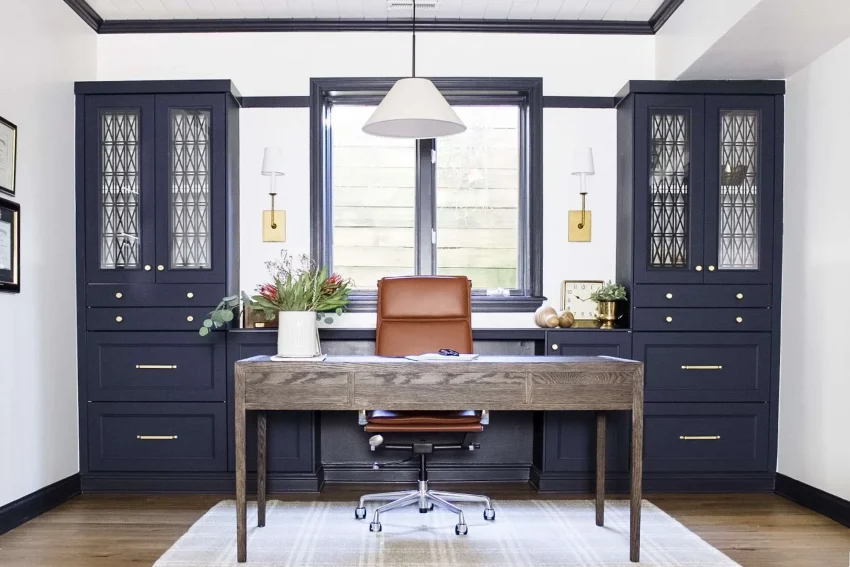
Cane inserts can turn an ordinary flat surface into something lighter, more detailed, and visually breathable. The woven material works particularly well inside cabinet frames, screens, doors, and decorative wall features. Strong cane insert ideas depend on proportion and framing: the weave should look intentionally integrated into the design rather than attached as an afterthought.
Why Cane Works Well Inside Framed Surfaces
Traditional cane has a natural grid or woven pattern that sits comfortably within timber frames. That relationship makes it especially suitable for cabinet doors and screens, where the surrounding structure gives the flexible material a finished edge.
Cane also introduces subtle transparency. Depending on the weave density, light and vague shapes may pass through without creating the full openness of glass.
Contrast the Frame and Weave
Natural cane inside a painted black frame produces a bold graphic look. Oak or ash frames create a lighter Scandinavian feeling, while walnut produces richer contrast.
The best combination depends on the surrounding room. Repeating the frame material elsewhere helps the insert feel connected to the overall design.
Refresh Cabinetry With Selective Cane Panels
A sideboard or built-in cabinet doesn’t need cane on every door. Using woven inserts on the central pair of doors while keeping adjacent panels solid often creates a more balanced composition.
Ideas drawn from patio and indoor living inspiration can be useful because cane visually bridges exterior and interior materials. That makes it particularly effective in sunrooms, dining spaces, and rooms connected to terraces.
Before modifying cabinetry, consider what sits behind the panel. Visible clutter can undermine the attractive weave, so baskets or organized shelving may still be needed inside.
| Cane Feature | Frame Choice | Overall Character |
|---|---|---|
| Sideboard insert | Walnut | Rich and tailored |
| Wardrobe door | Oak | Light and natural |
| Screen panel | Black timber | Graphic and modern |
| Wall feature | Painted frame | Decorative texture |
Create Screens That Divide Without Feeling Heavy
Room dividers are one of cane’s strongest applications. A timber frame filled with cane defines zones while allowing light to continue moving between them.
Broader interior planning resources can inspire ways to position screens beside dining areas, entry zones, bedrooms, or open-plan workspaces. Unlike a solid partition, a woven screen creates separation without completely closing the view.
The frame should be sturdy enough to remain straight. Large cane panels stretched across weak frames may eventually sag or distort.
Use Cane as an Architectural Detail
Cane can appear in decorative wall panels, inset niches, radiator covers, or built-in furniture. These applications work best when the pattern repeats at a controlled scale.
A room influenced by warm and comfortable interiors can combine cane with soft lighting, natural fabrics, and wood furniture without becoming overly casual. A tailored frame or darker finish keeps the woven detail visually disciplined.
One interesting approach is using cane where a carved or paneled detail might otherwise appear. The material adds ornament through texture rather than elaborate construction.
Common Problems With Cane Inserts
Poor tension is the most noticeable problem. Loose cane can ripple, bow, or sag, particularly across large openings.
Another mistake is placing delicate natural cane where it receives frequent impact, moisture, grease, or heavy wear. A beautiful material still needs to suit the practical demands of its location.
Too many woven surfaces can also compete. Cane cabinet doors, cane chairs, woven lamps, baskets, and woven rugs in the same view may turn a subtle material theme into repetition.
Frequently Asked Questions
Is cane the same as rattan?
They are related but not identical terms. Rattan refers to the climbing palm material, while cane commonly describes the outer portion used for woven surfaces and furniture details.
Can cane inserts provide privacy?
Dense cane can partially obscure views, but many traditional weaves remain somewhat open. If strong privacy is needed, consider backing the cane with fabric or another suitable layer.
Can old cabinet doors be converted to cane inserts?
Many framed doors can potentially be modified, but the construction determines whether the center panel can be removed safely. Accurate cutting, secure attachment, and proper tension are important.
Keep the Weave Structured
Cane is most convincing when framed with precision. Choose a limited number of doors, screens, or architectural panels and use the surrounding timber or painted frame to give the weave definition. This approach preserves cane’s relaxed natural texture while making it compatible with modern, traditional, and transitional interiors alike.