
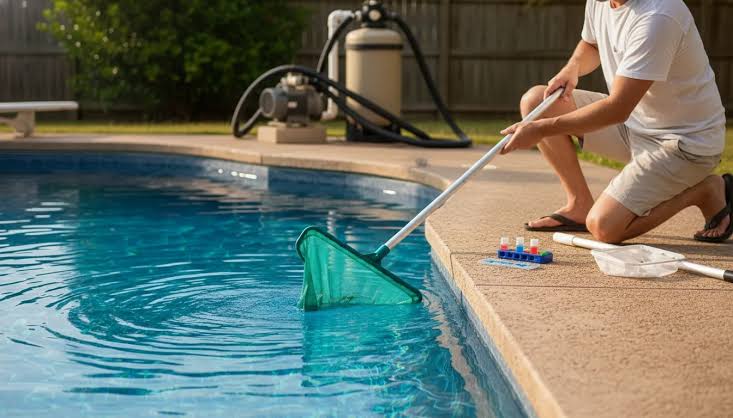
A swimming pool can look inviting on the surface while hiding problems that regular cleaning cannot resolve. Skimming leaves, brushing walls, and vacuuming debris are essential maintenance tasks, but they do not address every issue affecting water quality, circulation, or equipment performance. Some problems develop gradually, making them difficult to recognize until they become expensive to repair.
Understanding the difference between ordinary cleaning needs and deeper maintenance concerns helps pool owners protect their investment. Professional swimming pool cleaning services can assist with routine upkeep, while more complex situations may require water treatment, equipment inspections, or specialized repairs. Recognizing early warning signs is important for maintaining a safe and enjoyable swimming environment.
Persistent Cloudy or Discolored Water
Clear water is often associated with a healthy swimming pool, but persistent cloudiness can indicate underlying problems. If the water remains cloudy after vacuuming and routine chemical adjustments, the issue may involve poor filtration, inadequate circulation, or an imbalance in water chemistry.
Cloudiness can also result from suspended particles that the filtration system cannot remove effectively. In some cases, excessive calcium levels or organic contaminants contribute to the problem.
Instead of repeatedly adding chemicals without identifying the cause, pool owners should consider comprehensive water testing and filtration inspections. Addressing the underlying issue helps restore clarity and prevents recurring problems.
Algae Growth That Keeps Returning
Algae growth is one of the clearest indications that a swimming pool needs additional attention. Green, yellow, or dark patches appearing on pool walls and floors can indicate ineffective sanitation, poor circulation, or neglected surfaces.
Although brushing and chemical treatment may temporarily remove visible algae, recurring growth suggests that the original problem remains unresolved.
Certain areas, including steps, corners, and spaces behind ladders, are particularly vulnerable because water circulation may be limited. Persistent algae can also indicate that the filtration system is not operating efficiently.
A thorough evaluation of sanitation levels, circulation patterns, and filtration performance can help prevent repeated outbreaks.
Unusual Pool Water Odors
A strong chemical smell around a swimming pool does not necessarily mean the water contains too much chlorine. In many cases, unpleasant odors result from chloramines, which form when chlorine reacts with contaminants such as sweat and other organic materials.
These compounds can contribute to eye irritation and uncomfortable swimming conditions.
Regular cleaning cannot eliminate every chemical imbalance. Proper testing of free chlorine, combined chlorine, and pH levels is necessary to determine appropriate corrective measures.
Persistent odors should never be ignored because they may indicate that the water treatment process is not functioning as intended.
Weak Water Circulation and Reduced Filtration
Water circulation plays an important role in distributing sanitizing chemicals and removing contaminants. When circulation becomes weak, certain areas of the pool may receive insufficient filtration.
Signs of circulation problems include reduced water movement near return jets, debris collecting in particular locations, and inconsistent water clarity.
Potential causes include clogged filters, blocked plumbing lines, malfunctioning pumps, or improperly positioned return fittings.
Cleaning the pool surface will not resolve mechanical circulation problems. Inspecting the filtration equipment and identifying restrictions can help restore proper operation before additional damage occurs.
Stains and Scaling on Pool Surfaces
Not every mark on a swimming pool surface can be removed through ordinary brushing. Brown, green, or dark stains may develop because of metals, organic materials, or other contaminants.
White deposits around tiles and waterlines often indicate calcium scaling, which can develop when water chemistry becomes unbalanced.
These deposits may affect the pool’s appearance and, in severe cases, contribute to equipment or plumbing problems.
Determining the source of staining is essential before attempting treatment. Using inappropriate cleaning chemicals or abrasive tools can damage certain pool finishes.
Professional assessment can help identify suitable treatment methods while protecting the pool surface.
Unexpected Changes in Water Level
Swimming pools naturally lose some water through evaporation and splashing. However, unusually rapid water loss may indicate a leak.
Possible warning signs include continuously dropping water levels, damp areas surrounding the pool, unexplained increases in water bills, or air entering the circulation system.
Adding water repeatedly may temporarily maintain the desired level, but it does not address structural or plumbing leaks.
A professional leak detection inspection can help identify whether the problem involves plumbing connections, equipment fittings, or the pool structure itself.
Increasing Energy Consumption and Equipment Noise
Pool equipment should operate relatively consistently under normal conditions. Unusual grinding sounds, excessive vibration, frequent pump shutdowns, or increasing electricity consumption may indicate mechanical problems.
A clogged filtration system can force equipment to work harder, while worn components may reduce operational efficiency.
Ignoring these symptoms can lead to unexpected breakdowns and expensive replacements.
Regular equipment inspections, timely repairs, and proper maintenance can help extend the working life of essential pool components.
Conclusion
Basic cleaning is necessary for maintaining a swimming pool, but it cannot solve every problem affecting water quality, equipment, or structural condition. Persistent cloudiness, recurring algae, unusual odors, poor circulation, surface stains, and unexpected water loss are warning signs that deserve closer attention.
Recognizing these issues early allows pool owners to take appropriate action before minor concerns become major repairs. Combining consistent cleaning with water testing, equipment inspections, and preventive maintenance helps preserve pool performance, improve swimming conditions, and support long-term reliability.