
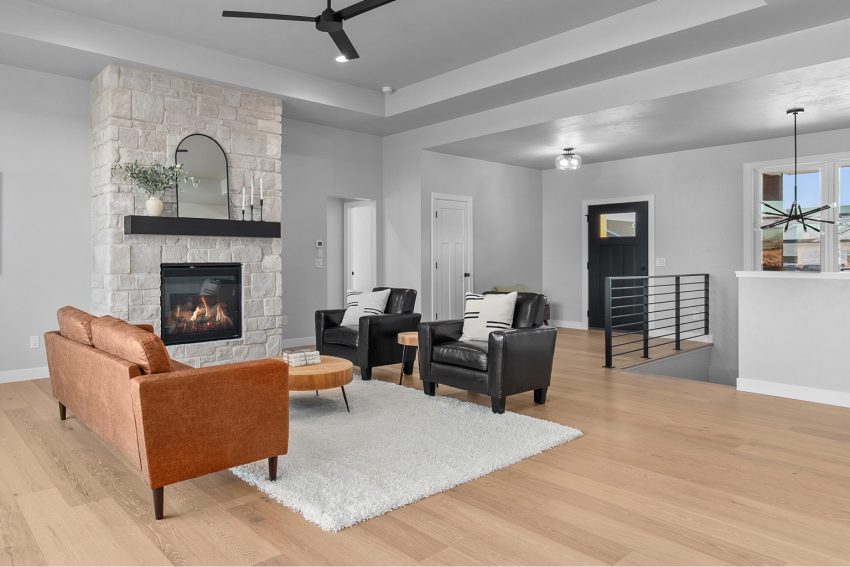
When searching for a new property, buyers often encounter different descriptions used by builders, real estate agents, and property developers. Terms such as speculative construction, newly built, completed, and move-in ready may appear similar, but they do not always describe the same thing.
Understanding these terms is important because they explain different aspects of a property’s development, condition, and availability. A speculative property refers primarily to how a builder plans and develops a house, while move-in ready describes whether a property is prepared for occupancy.
These categories can overlap. A speculative property may be move-in ready if construction has been completed and the necessary approvals have been obtained. However, not every speculative property is ready for immediate occupancy, and not every move-in ready property has been newly constructed.
Knowing the differences can help buyers compare available properties and understand what they are purchasing.
Understanding What a Speculative Property Means
A speculative residential property is developed by a builder without having a specific buyer committed to the project.
The developer selects the land, chooses the floor plan, determines the materials, and manages construction according to anticipated market demand.
The goal is to create a house that appeals to potential homeowners and can be sold after completion or during construction.
For example, a builder may develop a three-bedroom house in a growing neighborhood because market research indicates demand for family-oriented properties.
The builder makes the major design decisions before identifying the eventual purchaser. Buyers therefore have less influence over the original specifications than they would in a custom construction project.
Understanding What Move-In Ready Means
Move-in ready generally describes a property that is prepared for a new owner to occupy without requiring major construction or renovation work.
The term can apply to newly built houses, renovated properties, and well-maintained existing homes.
A move-in ready house should have functioning essential systems, completed interior finishes, suitable sanitation facilities, and the required approvals for occupancy.
However, the exact meaning may vary between sellers and property listings.
Some homes advertised as move-in ready may still require minor cosmetic improvements, furniture, or optional upgrades.
Buyers should therefore inspect the actual property and confirm its condition rather than relying only on the listing description.
The Main Difference Between the Two Terms
The most important distinction is that the terms describe different characteristics.
Speculative construction explains the development method. Move-in ready explains the property’s condition and readiness for occupancy.
A builder may complete a speculative property and advertise it as move-in ready.
Another speculative property may still be under construction when it is listed for sale.
Similarly, an older house that has recently been renovated may be move-in ready without being a speculative development.
Understanding this distinction prevents buyers from assuming that every newly constructed property is automatically ready for immediate occupancy.
Differences in Construction and Development
The development process behind a speculative property usually begins with market research.
Builders evaluate neighborhood demand, property prices, available land, competing developments, and buyer preferences.
They then establish the design and construction budget before beginning work.
Move-in ready is not a construction strategy. It simply indicates that the seller considers the property suitable for occupancy.
An existing house may become move-in ready after renovations, while a new house may achieve the same status after completing construction and obtaining necessary approvals.
The development history of a move-in ready property can therefore vary considerably.
Differences in Design Flexibility
Buyers considering speculative properties generally have limited control over the original design.
The builder has already selected the floor plan, materials, fixtures, and finishes according to expected buyer demand.
If the house is still being constructed, some developers may permit limited changes depending on the construction stage and purchase agreement.
A move-in ready property also generally offers limited customization because its existing layout and finishes are already established.
However, buyers can choose to renovate or redecorate after purchasing, subject to applicable restrictions.
In either situation, buyers should examine the property’s actual specifications and determine whether they meet their requirements.
Differences in Availability and Occupancy
A completed speculative property may be available for purchase relatively quickly.
Once the transaction is finalized and legal occupancy requirements are satisfied, the buyer may be able to move in according to the agreed schedule.
A speculative property that is still under construction will require additional time before occupancy.
Move-in ready properties are generally marketed as suitable for immediate or relatively prompt occupancy.
Nevertheless, buyers should verify the actual completion status, utility connections, inspection approvals, and closing arrangements before planning their move.
Financing Considerations
The financing requirements may depend on the property’s completion status and the buyer’s circumstances.
Purchasing a completed residential property generally involves a conventional mortgage application.
The lender may evaluate the property’s value, condition, title documentation, and the buyer’s ability to repay the loan.
A property that is still under construction may require additional documentation or a different financing arrangement, depending on the lender and transaction structure.
Builders also need financing to develop speculative properties before receiving sale proceeds.
Understanding builder construction loans can provide useful background about how developers arrange funding for residential projects.
Builderfinance.com offers information about construction financing and the financial considerations associated with building residential properties.
The builder’s development financing should not be confused with the mortgage a buyer obtains to purchase the completed house.
Differences in Construction Quality and Inspection
Neither term guarantees a particular level of construction quality.
A speculative property may be newly built, but it can still contain installation defects, incomplete work, or material problems.
A move-in ready property may be older but maintained to a high standard.
Buyers should arrange an independent inspection regardless of the property’s marketing category.
The inspection may cover the roof, foundation, plumbing, electrical systems, heating and cooling equipment, drainage, windows, doors, and interior finishes.
New construction buyers should also request available inspection records and warranty documentation.
Warranty and Maintenance Considerations
Newly constructed speculative properties may include builder warranties covering certain workmanship issues or building components.
Coverage depends on the builder’s warranty terms and applicable local requirements.
Move-in ready properties may have different warranty arrangements depending on their age, previous ownership, and recent renovations.
Buyers should examine what is covered, how long protection lasts, and how defects must be reported.
They should also consider likely maintenance expenses.
A newly constructed property may have recently installed major systems, while an older move-in ready house may require maintenance sooner.
However, the actual condition of the property is more important than the label used in its listing.
Pricing and Market Value
The asking price of either type of property depends on location, size, construction quality, features, market demand, and comparable sales.
A speculative property may be priced according to development expenses and the builder’s expected profit margin.
A move-in ready property may be priced according to recent sales, property condition, renovations, and local buyer demand.
Buyers should compare similar houses in the same neighborhood rather than assuming one category is automatically more expensive.
Additional costs such as taxes, insurance, utility expenses, homeowners association fees, and maintenance should also be considered.
Which Option Should Buyers Choose?
The right option depends on individual circumstances.
A buyer who wants a newly constructed property with modern features may prefer a completed speculative development.
Someone who prioritizes immediate occupancy may focus on properties advertised as move-in ready, regardless of their construction history.
Buyers who want greater design control may prefer custom construction instead of either option.
The decision should be based on location, budget, property condition, desired features, and expected move-in date.
Important Questions Before Making a Purchase
Before committing to either type of property, buyers should ask about construction history, completion status, permits, warranties, included features, and outstanding work.
They should also investigate the seller or builder’s reputation and review all legal documentation.
For a property still under construction, the purchase agreement should clearly explain the expected completion date and the responsibilities of each party.
For a move-in ready house, buyers should verify that essential systems are functioning and that the property is legally suitable for occupancy.
Conclusion
A speculative property and a move-in ready property are not necessarily competing categories. They describe different aspects of residential real estate.
Speculative construction explains how a builder develops a house before finding a buyer, while move-in ready describes a property’s condition and readiness for occupancy.
A completed speculative property can belong to both categories. Understanding this distinction helps buyers evaluate listings more accurately, compare financing requirements, and determine whether a particular house meets their expectations.
Careful inspections, legal reviews, and financial planning remain important regardless of which type of property a buyer chooses.