
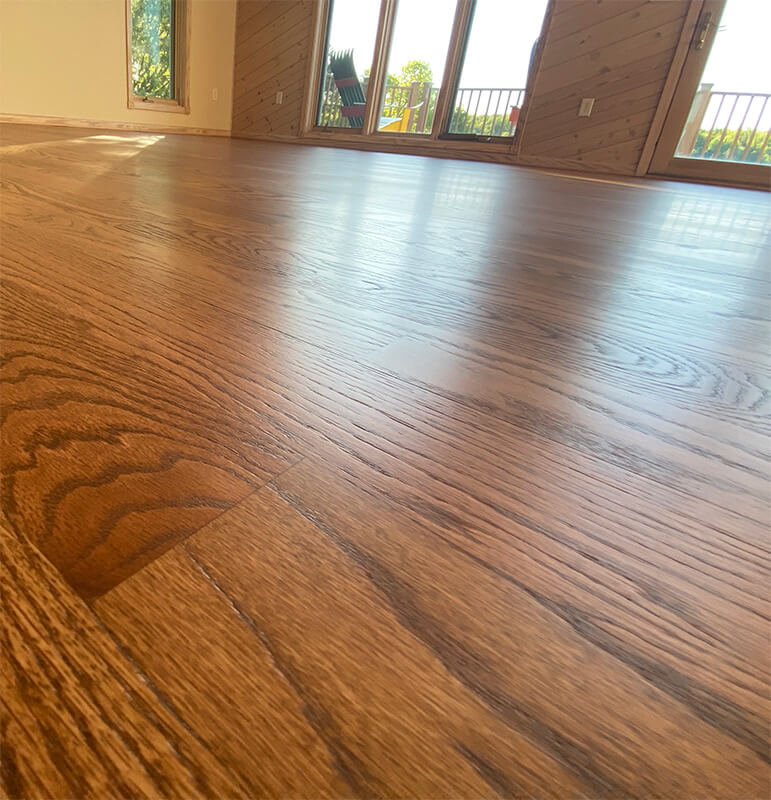
Raw wood floors need a protective finish to become durable and beautiful. Finishing unfinished hardwood floors involves sanding, staining, and sealing processes that might seem complex at first. However, the steps become manageable when properly understood. Installing unfinished planks or purchasing a home with bare floors presents an opportunity for complete customization. Factory-finished floors limit color and finish choices. Custom finishing allows any stain color from light natural oak to deep espresso. The work creates floors that last for decades while providing the satisfaction of personal craftsmanship.
What are Unfinished Hardwood Floors?
These are plain wood planks with no finish, stain, or protective coating. They come straight from the mill as raw wood that gets finished after installation.
These floors skip the factory finishing step. They’re cut, shaped, and packaged but left raw. After installation, the entire floor surface gets sanded smooth, and then stain and seal are added. This creates one seamless surface instead of individual finished boards with visible edges.
Unfinished vs. Prefinished: Pros and Cons
Unfinished floors allow complete control over everything: the color, the shine, the finish type. The whole floor gets sanded flat after installation, so there are no bumps or edges between boards. Prefinished floors are ready to walk on immediately, but options are limited to available finishes.
Why do people choose unfinished:
- Pick any stain color imaginable
- Smooth, seamless surface with no lines between boards
- Usually cheaper than prefinished
- Can sand and refinish many times as they age
The downsides:
- Takes extra time to finish
- Makes dust and fumes during the process
- Can’t use the room for several days
- More work than installing prefinished boards
Preparing the Surface
Good prep makes or breaks a floor. Skip these steps, and it shows in the final result.
Site Preparation and Safety
Empty the room completely. Remove furniture, pull off baseboards, and clear the walls. Tape plastic over doorways to trap dust. Open windows and point fans outside. Wear a dust mask, safety glasses, and knee pads. Keep a fire extinguisher handy because finishes can be flammable.
Acclimating the Wood
Unfinished hardwood floors need to adjust to the home environment before finishing. Stack the boards loosely in the room for 3-7 days, depending on local humidity and the wood species, to prevent swelling or gaps after finishing. This prevents swelling or shrinking after finishing, which would crack the seal or create gaps.
Tools and Materials Needed
Having the right equipment makes this job way easier. Sanders for the big areas and tight spots are essential, plus different sandpaper grades for each stage.
The shopping list:
- Sanders: Big floor sander, edge sander, hand sander for corners
- Sandpaper: Different roughness from 36 to 120 grit
- Cleaning supplies: Shop vacuum, tack cloths, microfiber mops
- Stain: Oil or water-based in the chosen color (if color is desired)
- Finish: Polyurethane, wax, or oil to seal it
- Applicators: Lambswool pads, brushes, or rollers
- Safety gear: Respirator mask, gloves, fans
Step-by-Step Finishing Process
Follow these in order. Jumping around or rushing leads to disappointing floors.
1. Sanding the Floor
Sanding smooths everything out so the stain and finish go on evenly. This makes the most dust, so really seal off the room.
Choosing the Grit Sequence
Sanding works like this: start rough and get smoother. For new unfinished floors, start with 60-grit to flatten minor high spots, then 80-grit, finishing with 100-120-grit for smoothness. Coarser grits like 36 are generally used for old floor refinishing.
Removing Old Finishes or Imperfections
For refinishing old floors, coarse paper strips off the old finish and deep scratches. Sand primarily with the grain. Use care in corners and edges. Sometimes small angles are needed for evenness. Overlap each pass slightly to avoid creating waves. Use the edge sander along walls and sand corners by hand where machines won’t fit.
2. Cleaning and Repairing
After sanding, the floor needs to be spotlessly clean and smooth. Any debris or holes will show through and stand out forever.
Filling Gaps or Holes
Mix sanding dust with wood filler to match the color. Push this paste into gaps between boards, nail holes, and small cracks. Let it dry completely, then sand it smooth. This prevents dark lines from showing up when the stain gets into gaps.
Dust Removal Before Staining
Getting rid of all dust is critically important. Even specks create bumps that are visible and tactile.
How to remove all dust:
- Vacuum everywhere, floor, corners, edges, everything
- Wipe with a damp microfiber mop to grab fine dust
- Go over everything with tack cloths. These sticky sheets grab particles invisible to the eye
- Check with a bright light for missed spots
3. Staining the Hardwood (Optional)
Staining adds color while still showing the wood grain. Skip it for natural wood color preference.
Selecting Stain Types and Colors
Oil-based stains soak in deep and give rich colors. Water-based stains dry faster and smell less. Test the color on a scrap piece or hidden spot first, as the same stain can appear differently on oak, maple, or pine.
Application Techniques
Brush, roll, or wipe the stain with the grain. Work 3-4 boards at a time. Wipe off extra stain after 5-10 minutes with clean rags. Leaving too much creates sticky spots that won’t dry properly. Let it dry completely (24-48 hours) before sealing.
4. Applying Finishes and Sealants
The finish protects against water, scratches, and daily wear. Rushing this part leads to regret later.
Polyurethane (Water-Based, Oil-Based)
Polyurethane makes a tough plastic-like layer on top. Water-based dries clear and fast (2-3 hours between coats). Oil-based adds a warm amber color but takes 8-12 hours to dry. Both need at least 2-3 coats.
Wax, Shellac, and Other Finish Options
Other choices give different looks:
- Paste wax: Soft, natural shine, but needs reapplication often
- Shellac: Dries super fast, but water ruins it
- Penetrating oils: Soak into wood for a natural look, easier to fix, but less protection
Application and Drying Times
Pour finish on the floor in a puddle, spread it with a lambswool pad or T-bar. Work in sections and keep a wet edge to avoid lines. Apply thin, even coats; thick ones drip and take forever to cure. Follow the drying times on the container exactly. Hot or humid weather changes drying time.
Sanding Between Coats
After the first coat dries, lightly sand with 220-grit paper. This gives the next coat something to grip. Vacuum and tack again before coating two. Repeat the same for coat three if applying one.
Types of Finishes for Hardwood Floors
Different finishes protect and look different. Pick based on lifestyle and aesthetic preference.
- Water-Based Polyurethane: It stays clear and doesn’t yellow. It keeps wood’s natural color and has less odor. It dries fast, allowing multiple coats in a day. However, it’s not as tough as oil-based and costs more.
- Oil-Based Polyurethane: It makes a harder, tougher finish that handles scratches and water better. It adds a warm amber glow that gets richer over time. The downsides? Strong smell, slow drying, and it yellows as it ages.
- Wax: Provides a soft, natural shine. Easy to apply, but requires regular buffing and reapplication. Not ideal for busy areas or homes with pets and kids.
- Shellac: It dries in hours and looks warm and beautiful. It’s safe once dry, but alcohol or water dissolves it, making it impractical for most homes.
Other options:
- Penetrating Oil Sealer: Soaks into the wood instead of sitting on top, easy to touch up
- Acid-Cured Finish: Super hard, used mostly in commercial spaces
- Moisture-Cure Urethane: Incredibly tough against water and chemicals, professional application only
Care and Maintenance of Newly Finished Floors
Proper care of new floors keeps them gorgeous for years.
Routine Cleaning and Care
Wait before replacing furniture 7 days for water-based, 30 days for oil-based finishes. Sweep or vacuum daily to remove grit that scratches. Damp mop weekly with hardwood floor cleaner. Avoid excessive water, as it can seep through and damage the wood.
Preventing Damage and Wear
Small preventive measures protect floors:
- Attach felt pads under furniture legs
- Place rugs in high-traffic areas
- Keep pet nails trimmed and clean up accidents immediately
- Avoid high heels or damaged shoes that can dent or scratch
When to Refinish Again
Buff and recoat every 3-5 years to freshen the top without full refinishing. Complete refinishing becomes necessary when the finish wears through to wood, usually after 10-15 years in busy areas. Unfinished hardwood can be refinished 4-6 times, depending on wood thickness.
Common Challenges and Mistakes to Avoid
Learn from common errors to avoid expensive do-overs.
- Uneven Sanding: It makes waves and dips that show dramatically after staining. Sand evenly everywhere and keep the sander moving. Never let it sit still, or it digs into depression.
- Bubbling or Streaking in Finish: It happens when applying the finish over dust, working in humid conditions, or applying too thickly. Clean thoroughly between coats. Work when it’s 60-80°F and the humidity is low.
- Over-application or Missed Spots: It comes from poor lighting or rushing. Use bright lights to see coverage. Overlap strokes to avoid bare spots.
- VOC Exposure and Ventilation: These problems happen with oil-based finishes in closed spaces. Open windows, run fans, and wear a real respirator mask. Keep the room ventilated and avoid entry until fumes dissipate, which may take 1-3 days depending on the finish and ventilation.
Other issues that cause problems:
- Applying the finish before the stain is totally dry
- Not letting the wood adjust to the home environment first
- Using incorrect sandpaper progression
- Not testing the stain color on a hidden spot first
- Walking on floors before they’re fully cured
Conclusion
Finishing unfinished hardwood floors transforms raw wood into beautiful, durable flooring customized to exact preferences. The process takes time, patience, and attention to detail, but results last for decades. Proper preparation, careful sanding, optional staining, and protective finishing create floors that add value and character to any home. Whether handling the project yourself or working with professionals, having the right materials and guidance makes the process easier.
Suppliers like Rustic Wood Floor Supply offer premium unfinished hardwoods (from classic oak and elegant maple to rich walnut and exotic species) along with professional-grade finishing supplies such as sanders, stains, and polyurethane, plus expert advice to help ensure every project succeeds.
FAQs
How long does finishing unfinished hardwood floors take?
Finishing takes 3-7 days total. Sanding takes 1-2 days, stain needs 24-48 hours to dry, and finish takes 1-3 days plus cure time.
Can I change the stain color in the future?
Yes, sand through the finish and stain, then apply a new color. It requires complete refinishing but allows a total color change.
Is professional finishing necessary, or can I DIY?
No, professional finishing isn’t necessary. DIY works with proper tools and patience. Professionals deliver more even results and handle fumes better.
How do I fix mistakes or defects?
For drips or bubbles, sand that spot when dry and recoat. For stain mistakes, sand back to bare wood and restain immediately.
What finish is best for homes with pets?
Oil-based polyurethane or moisture-cure urethane handles scratches and water best. Apply 3-4 coats for maximum protection from pets.