
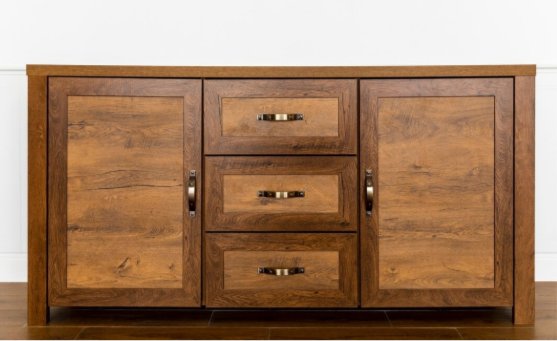
A walnut sideboard by George Nakashima is not simply furniture. It carries great importance in nature and craft. When you search for a George Nakashima walnut sideboard for sale, you need to consider a lot of factors that help you buy the right option.
The decision requires clarity. Their beauty may look effortless, yet every detail speaks. A careless choice can cost more than money. It can cost authenticity and long-term value. Let’s explore 5 things to consider when buying a George Nakashima walnut sideboard. Read on.
1. Authenticity and Provenance
Authenticity determines everything. A genuine piece includes a signature or studio marking. Early works may feature handwritten signatures. Later pieces carry a branded stamp from the Nakashima Studio. Documentation strengthens credibility. Invoices, letters, or archival photographs increase confidence.
Provenance matters a lot. A documented history linking the sideboard to its original owner adds value. Furniture passed through reputable galleries or auction houses carries greater security than items with unclear backgrounds.
Without authenticity, the emotional and financial worth declines sharply. Verification protects both the collector and the legacy of the maker.
2. Wood Quality and Natural Edge Integrity
Black walnut forms the whole structure of these sideboards. Its deep chocolate tones shift into warm amber under light. When assessing the wood quality of a george nakashima walnut sideboard for sale, focus on grain movement.
A true Nakashima piece respects the natural contour of the tree. The edge should appear organic, not overly sanded into uniformity. It should retain authenticity without appearing crude.
Examine thickness. Nakashima favored substantial wood slabs. The mass of the wood gives presence. Thin panels don’t align with his original design language.
3. Craftsmanship Details and Construction Methods
Beyond appearance, structure also matters. Craftsmanship reveals the true caliber of the piece. Open the drawers. They should glide smoothly without wobble. The interiors should feel as carefully finished as the exterior. Rough internal surfaces often signal lower-quality productions.
Look at the back panel. Authentic pieces use solid wood rather than thin ones. Screws and hardware should not appear modern or mismatched. Proportions should feel unique.
The finish also requires attention. Nakashima preferred natural oil finishes that enhance the grain rather than mask it. The surface should feel smooth yet not glossy. High-shine lacquer often indicates later refinishing or non-original production.
4. Condition, Restoration History, and Structural Stability
Time leaves marks. A sideboard built decades ago carries signs of use. Minor scratches, small dents, and gentle fading are natural. These do not diminish value. In fact, they add value.
However, heavy refinishing can erase the retro feel. Sanding too aggressively removes original surfaces. Replacement hardware alters authenticity. Structural repairs performed poorly can reduce strength.
Ask about restoration history. Professional conservation preserves integrity. On the other hand, amateur repair causes irreversible damage.
5. Market Value and Long-Term Investment
Demand for Nakashima furniture remains high in global design markets. Collectors value originality, scale, and condition. Prices fluctuate based on size, rarity, and documented provenance.
Investment potential depends on the product. Purchase based on authenticity and condition, not speculation. Well-preserved original pieces tend to improve steadily over time.